What Was a Thermopolium?
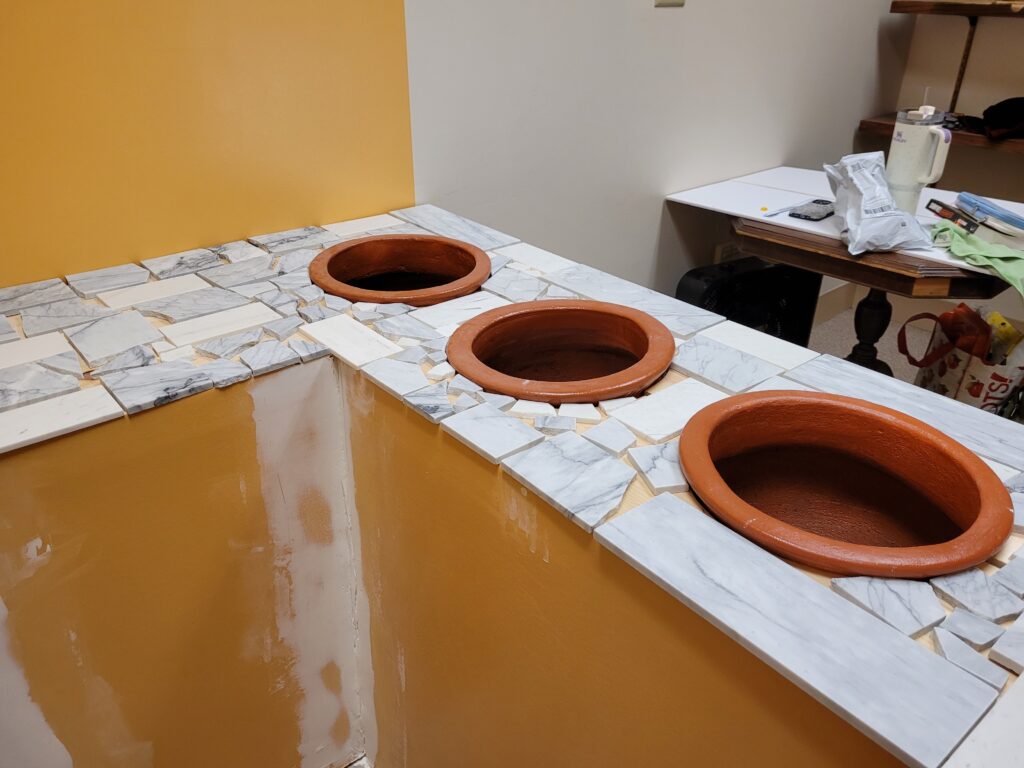
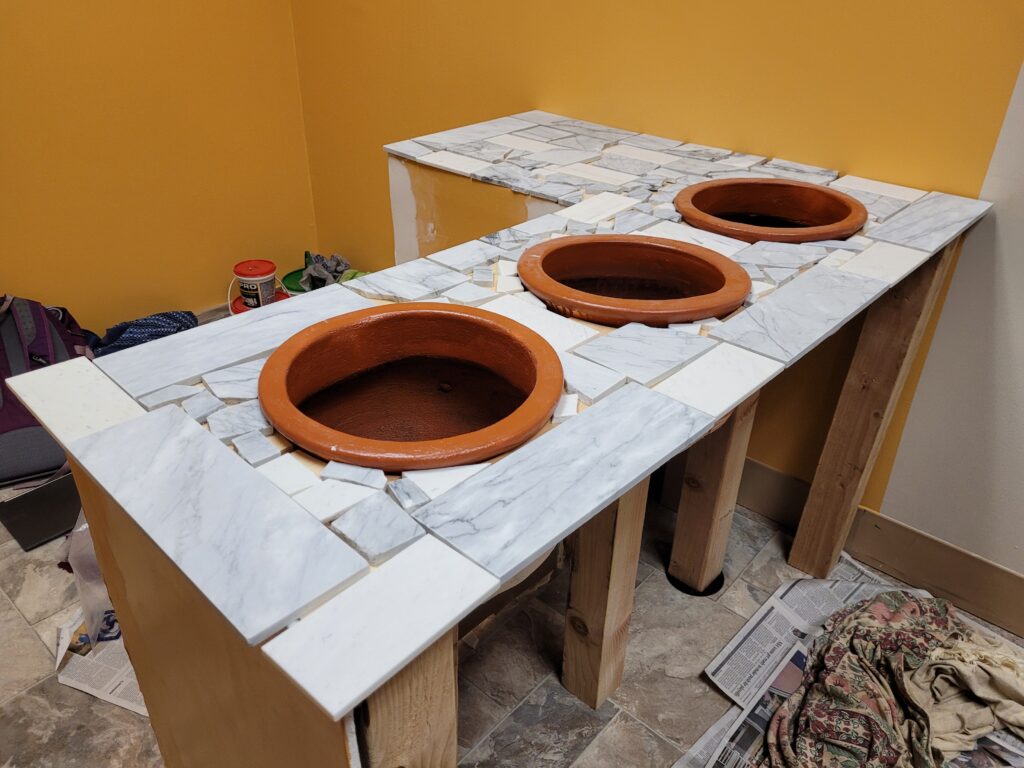
A thermopolium was a fast-food restaurant that sold hot and cold foods. It served mulled spiced wine from earthenware jars
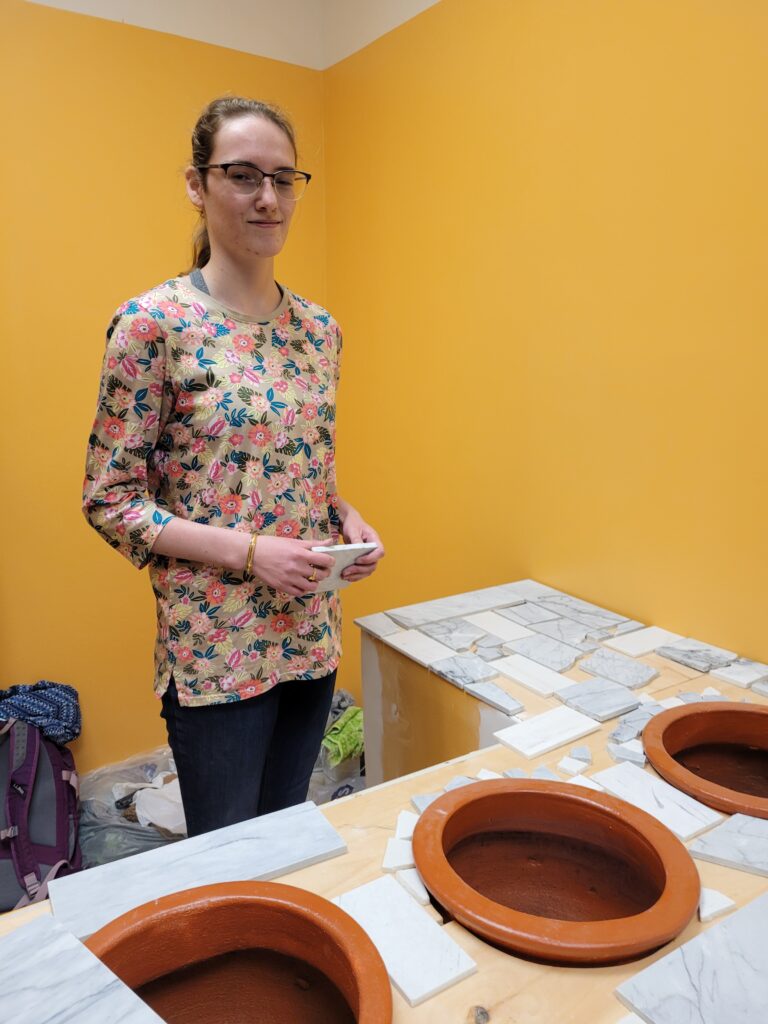
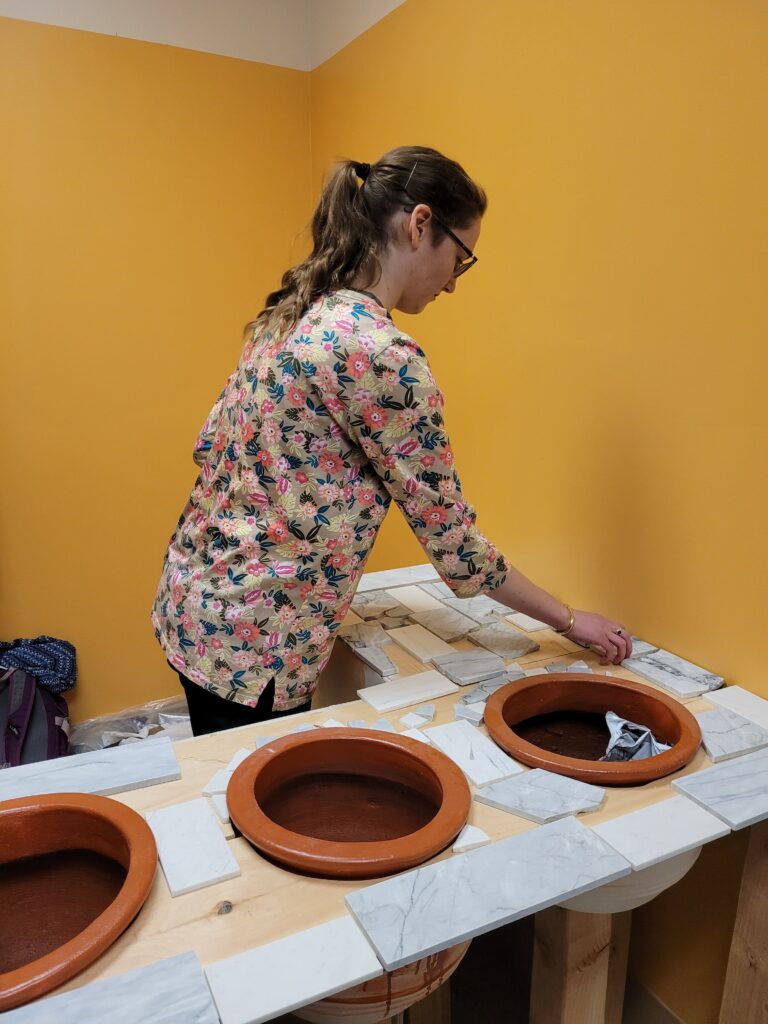
set in the counter, as seen in our thermopolium. The hot foods included various types of legumes, fowl, roast meats, seafood, vegetables, mushrooms, and egg dishes. The cold foods included bread, fruits, and the condiment garum.
A thermopolium could be located in a working-class neighborhood, in which case it would typically specialize in a few items, such as wine and lentils, meats, or
cheeses. Its décor and offerings would be sparse, practical, and cheap. A thermopolium could also thrive in an elite neighborhood. Such an establishment would have elegant, frescoed walls and serve more elaborate foods. Roman soldiers found comfort in the thermopolia that regularly grew up outside their forts.
Our Thermopolium
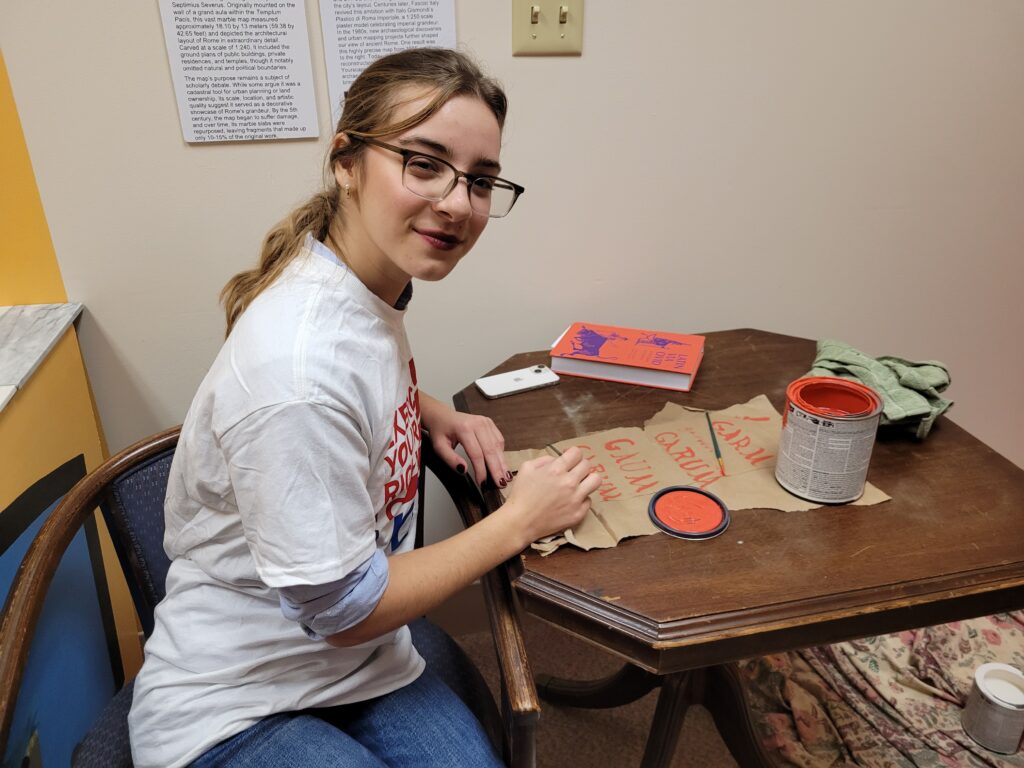
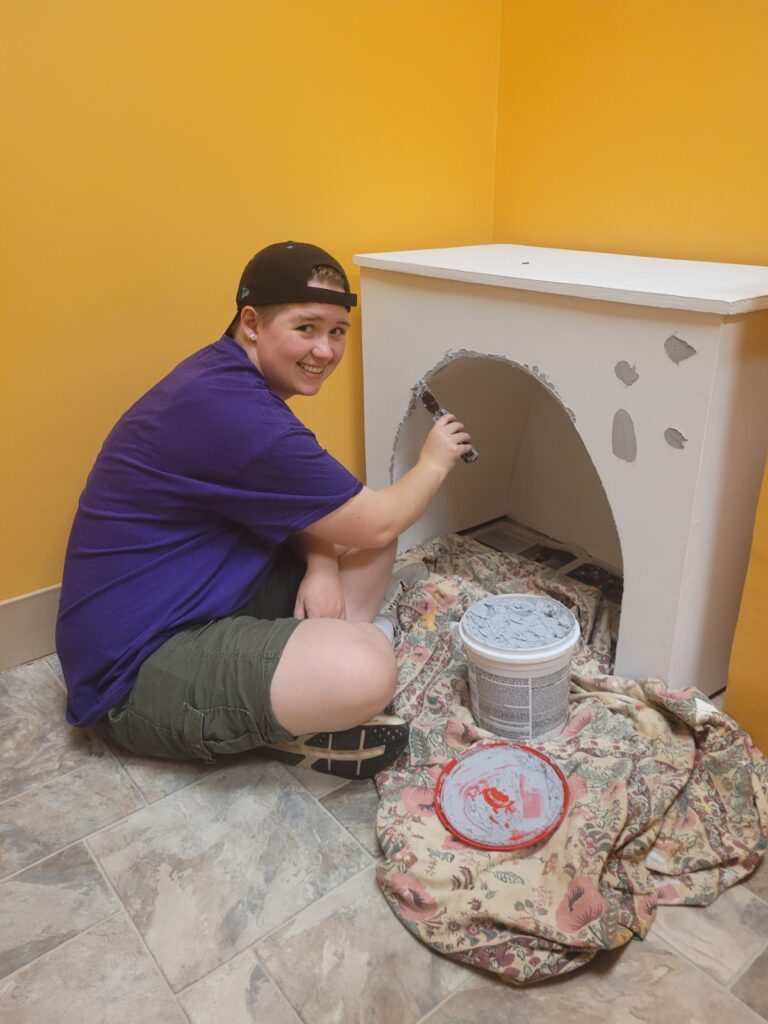
The Museum of Ancient Mediterranean Cultures at the University of Mary Washington gives students practice in the research, design, and implementation of museum exhibits. The goal of the main exhibit is to offer visitors an immersive experience. Currently, visitors can stand in and interact with a Roman thermopolium. Side exhibits, such as the current one on the mapping of ancient Rome, serve to educate the visitor on varied aspects of the ancient world.
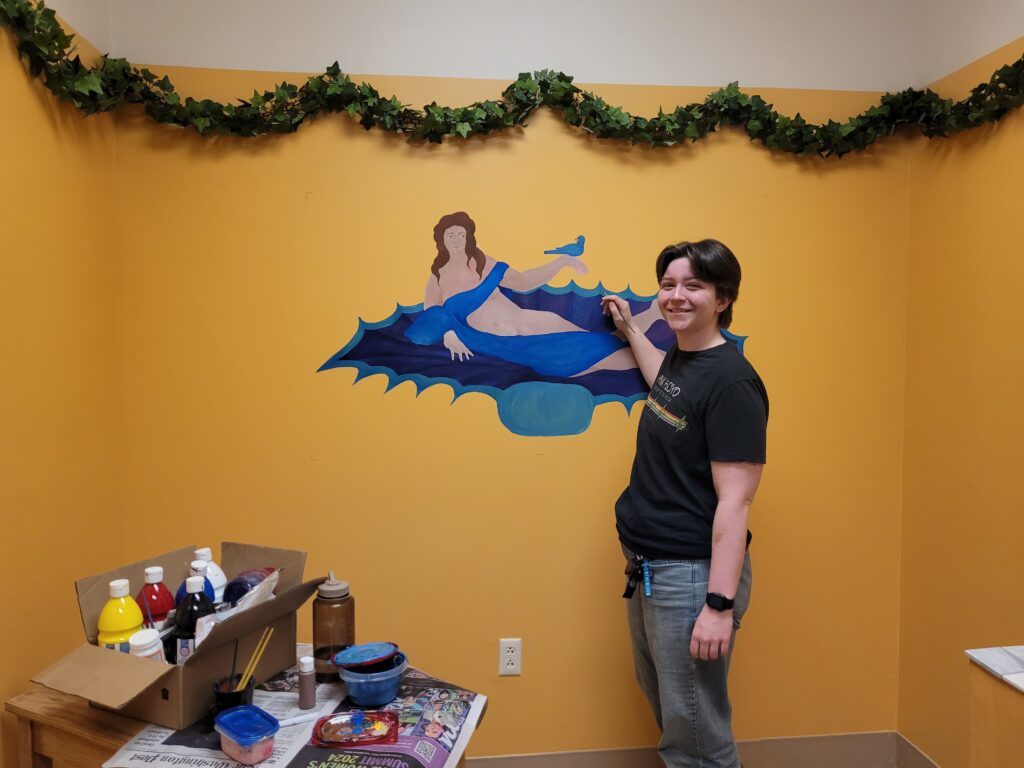
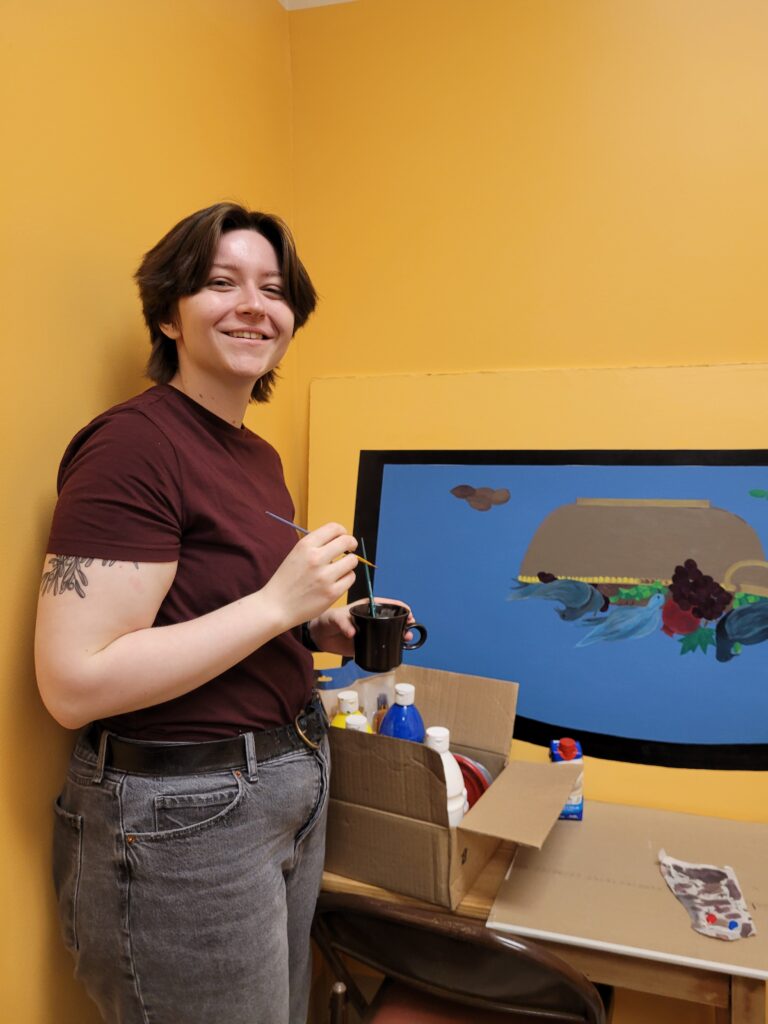
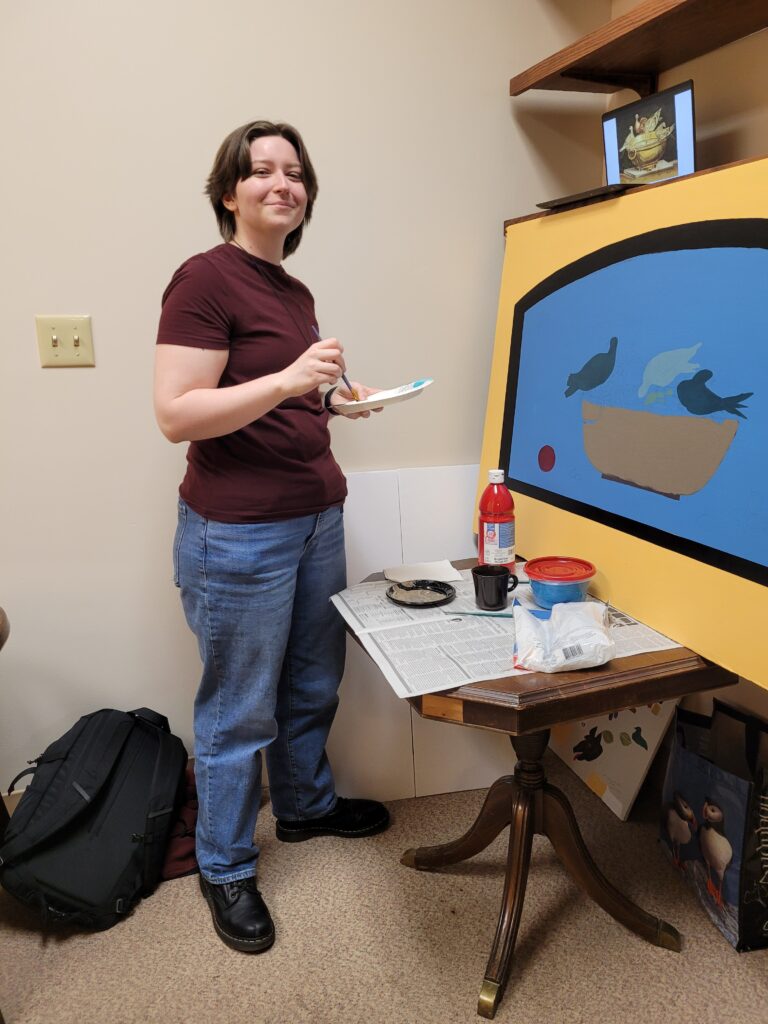
The thermopolium we have recreated in James Farmer hall is meant to represent a space from the mid-second century CE. We aimed to evoke a somewhat elegant establishment with bright colors and murals that would attract affluent customers. We named our thermopolium COLUMBAE VENERIS (“the doves of Venus”) after the murals, the one on the counter depicting doves pecking at the types of food served here and the one on the back wall portraying Venus holding her special dove. A visit to a thermopolium would have tantalized all of your senses. Imagine smelling the food being prepared and hearing the loud street noises as well as the people inside. When visiting the museum in person, feel free to explore and to touch the counter, food, props, and coins in this display.
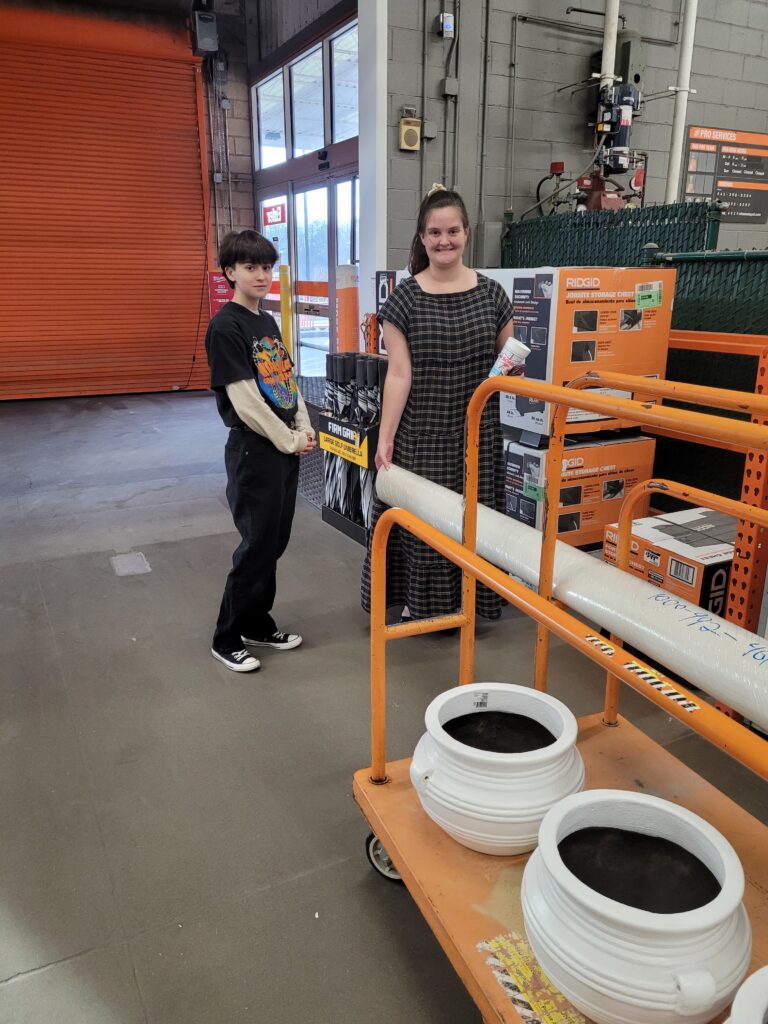
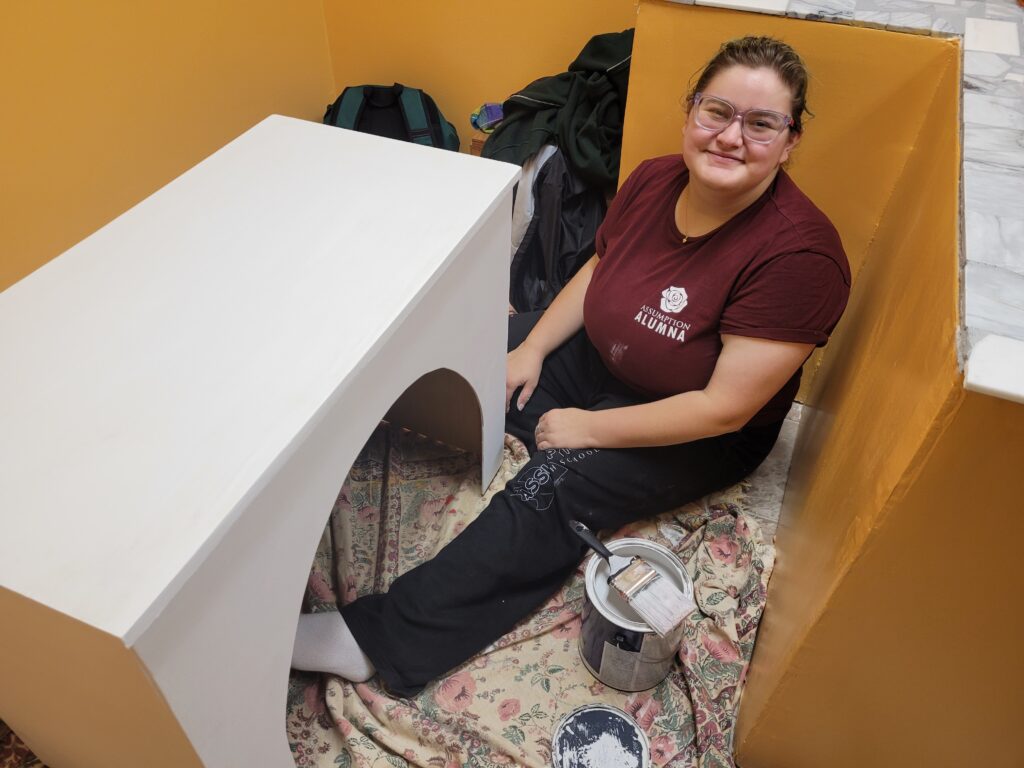
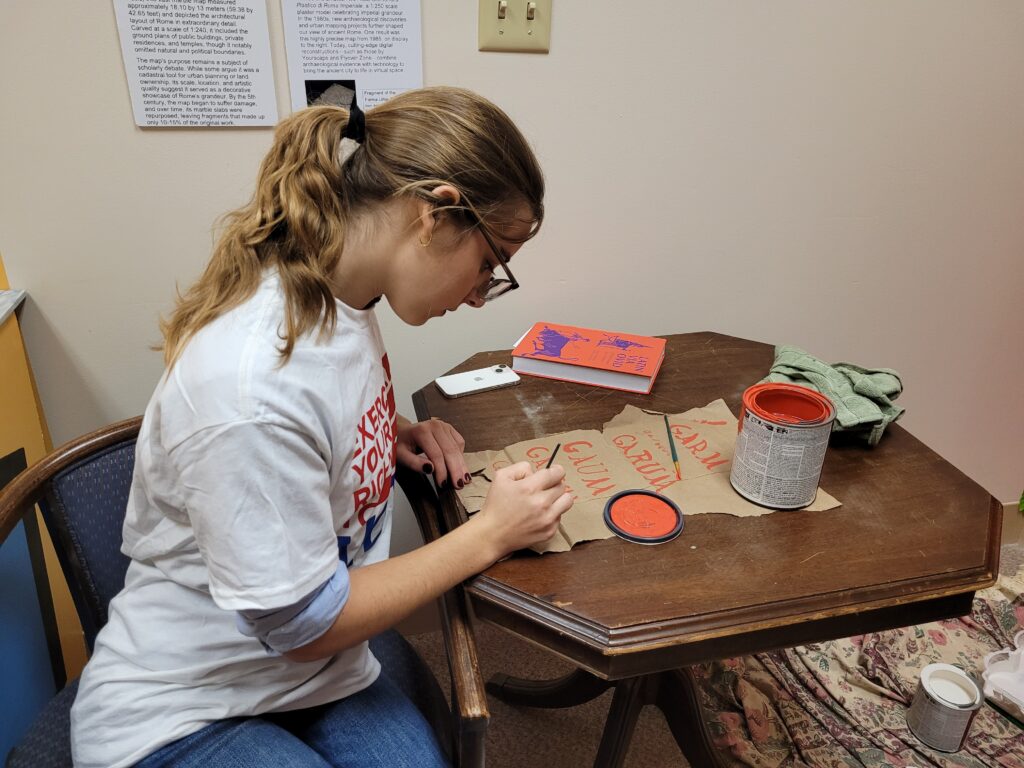
Gallery of Development